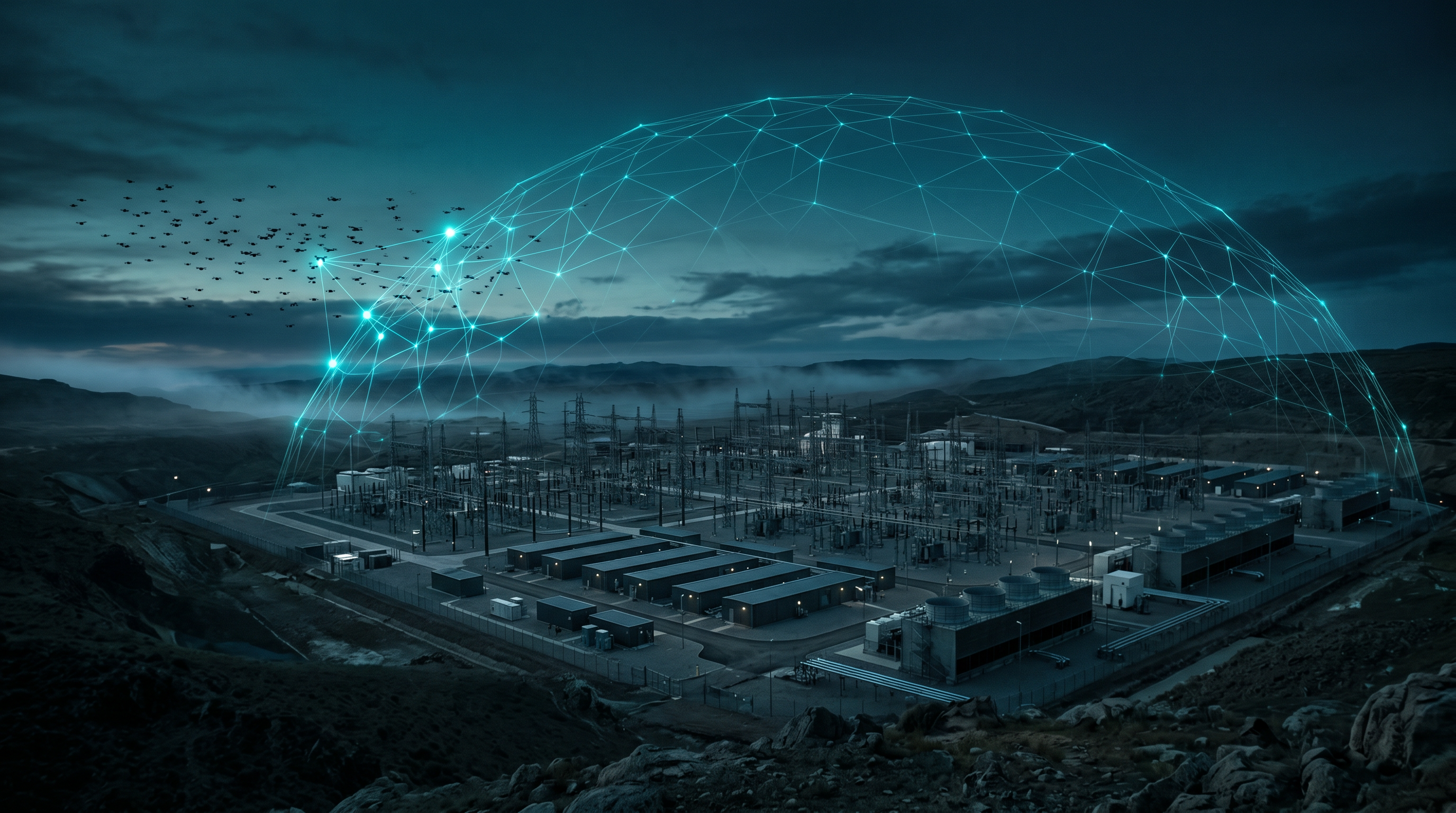
Counter-swarm defense that scales like software.
Tydus is building the distributed defense layer for drone-swarm attacks — a real-time network that senses, decides, and neutralizes across every node. The Cloudflare for the physical world, not another slow, single-shot weapon system.
The threat has already changed. The defense hasn't.
Drone warfare moved from the exception to the default in under a decade — cheap, fast, and deployed at scale. The systems meant to stop it were designed for a different war: expensive, centralized, and built to intercept one aircraft, not a thousand autonomous machines. The gap is now a national-security emergency.
The economics are inverted
A commercial drone costs a few hundred dollars. The missiles legacy air defense fires to stop it cost hundreds of thousands. Defenders win every engagement and lose the war on cost.
Swarms, not single targets
Coordinated, autonomous swarms saturate any system built to track and kill one thing at a time. Defeating mass requires a distributed response — not a bigger gun.
Everywhere is the front line
Substations, data centers, airports, ports, borders, stadiums. The targets are civilian and dispersed, and the airspace above them is undefended by design.
A distributed system, not a weapon system.
Tydus turns counter-drone defense into real-time distributed computing. Sense everywhere, fuse into one picture, decide in software, and act as a coordinated network — the architecture that beats mass.
A distributed sensor mesh
Low-cost nodes blanket the protected airspace, sharing a single live picture. Coverage scales by adding nodes — not by buying another radar the size of a building.
One real-time track picture
Every detection is fused into a unified, continuously updated model of the sky. The network sees the whole swarm as one problem, across every node at once.
Autonomous engagement logic
AI prioritizes threats and assigns responses at machine speed, with humans on the loop. Software ships new behavior in days, not procurement cycles.
Coordinated across the network
Effectors are directed as one system, matching the right response to each threat and dividing a swarm across the whole defended perimeter.
The winners will look like Cloudflare, not Raytheon.
Defending against distributed, autonomous threats is a distributed systems problem. It rewards software, networks, and speed — the playbook that rebuilt every other layer of critical infrastructure.
Building the shield for the physical internet.
Tydus exists to make counter-swarm defense abundant — affordable, networked, and everywhere it needs to be. We're assembling a team across distributed systems, AI, and defense to build it, and partnering with the operators who protect what matters most.
Critical infrastructure
Power grids, substations, data centers, and energy sites — the assets modern life cannot lose.
Defense & national security
Forward bases and mobile formations that face swarms first and need affordable, scalable coverage.
Aviation & borders
Airports, ports, and border zones where a single incursion halts operations and endangers lives.
Enterprise & events
Corporate campuses, stadiums, and high-value gatherings that have no airspace defense today.
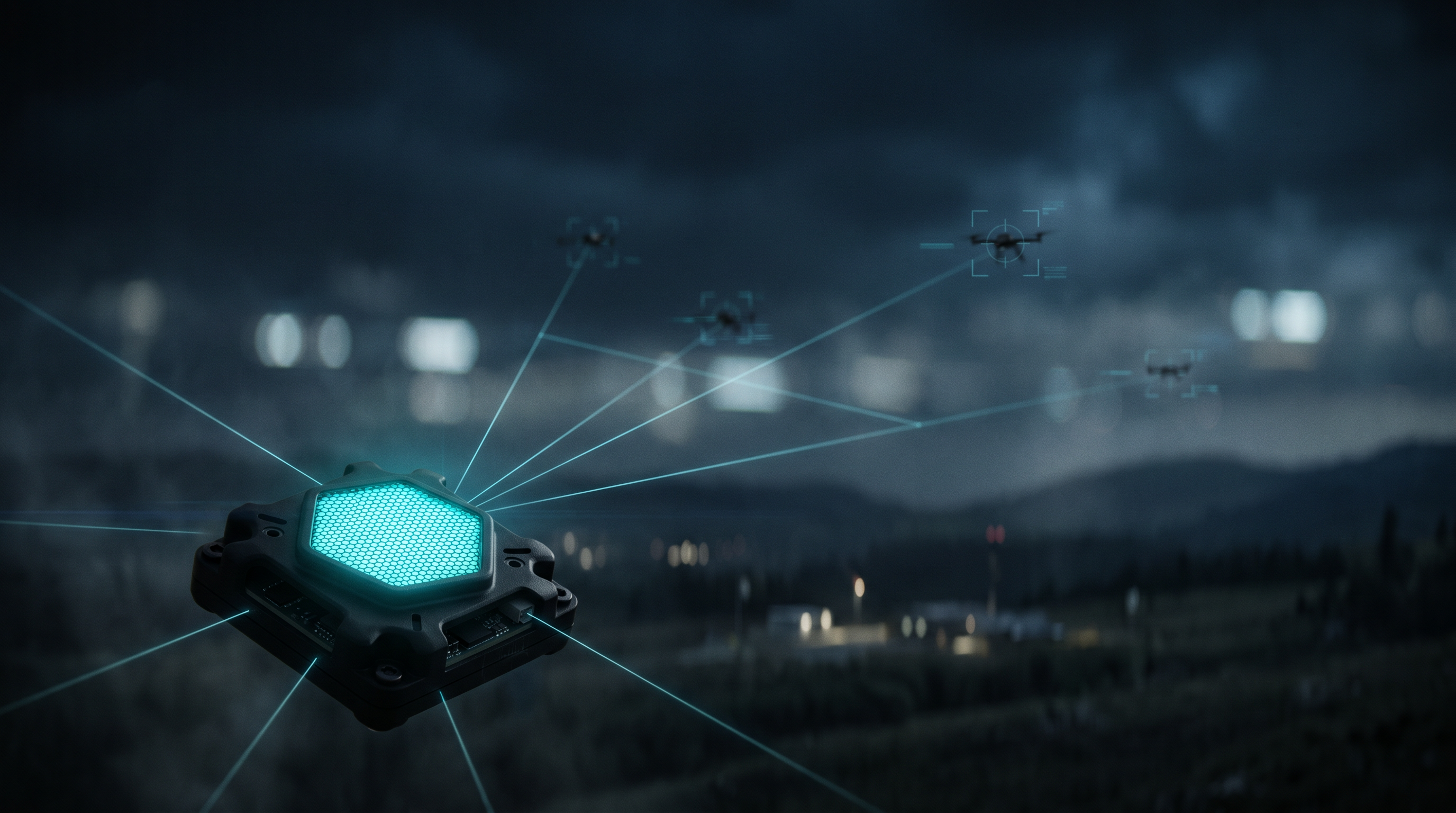
The swarm is already here. The defense starts now.
We're raising capital and partnering with the operators building the future of critical-infrastructure defense. If that's you, let's talk.